Unsafe lane changes and merges
Wide turns, blind spots, and last-second exits can cause sideswipes and underride-type impacts; we focus on positioning, timing, and vehicle damage patterns.
After a serious 18-wheeler crash, trucking companies and commercial insurers act quickly. We preserve time-sensitive driver logs, electronic control data, maintenance and cargo records, identify every responsible party, and pursue full compensation for medical care, lost income, catastrophic injuries, and wrongful death.
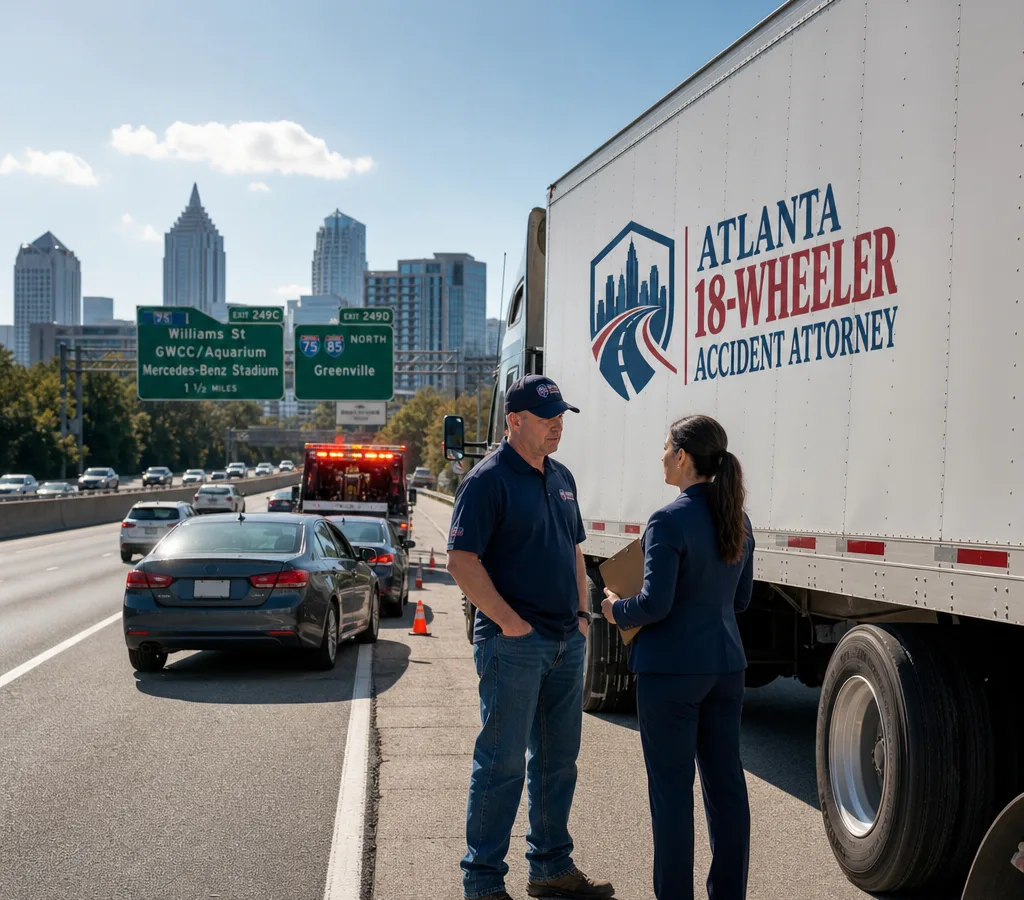
A truck collision is rarely a simple two-driver dispute. A truck accident attorney Atlanta clients hire is often dealing with commercial insurance, multiple potentially responsible parties, and evidence that can disappear quickly.
In Atlanta, heavy truck traffic on corridors like I-285, I-75, I-85, and I-20 increases the odds of high-speed impacts and multi-vehicle chain reactions. These cases also tend to involve:
Our role is to take control of the claim early, build a liability and damages case that holds up under scrutiny, and handle the communications and paperwork so you can focus on treatment.
The first days after a commercial truck crash are critical. Key proof may be overwritten, misplaced, or repaired away unless it is requested and preserved.
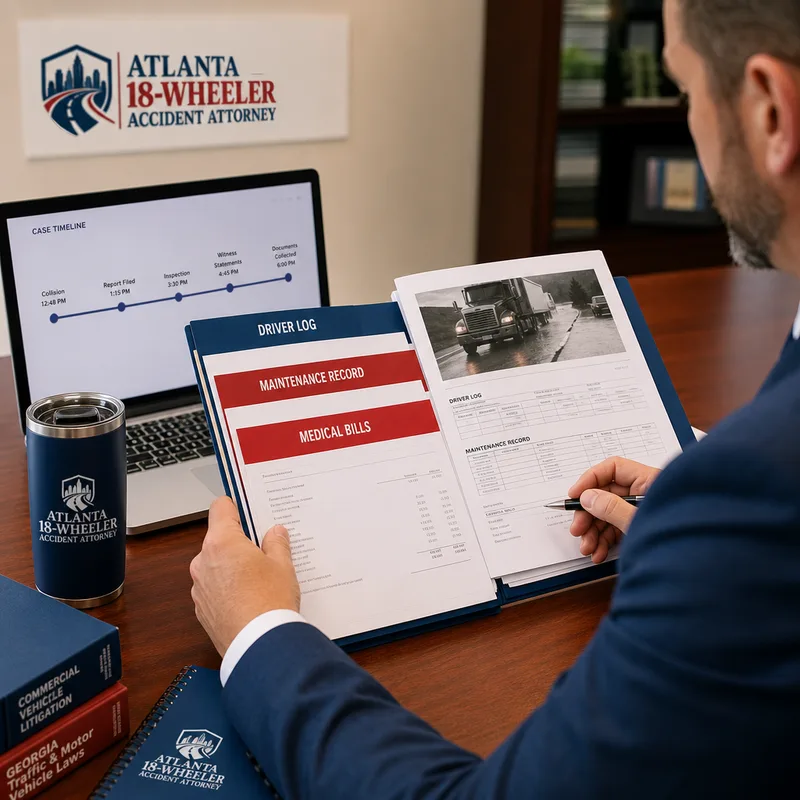
A focused truck-claim investigation typically includes:
When a case is in Fulton County, DeKalb County, or elsewhere in the Atlanta metro, we also look closely at how the collision was documented and whether additional footage may exist from nearby businesses, dash cameras, or traffic-area video sources. The goal is to lock in the best available evidence before an insurer controls the narrative.
Wide turns, blind spots, and last-second exits can cause sideswipes and underride-type impacts; we focus on positioning, timing, and vehicle damage patterns.
A loaded truck needs much more room to stop; stopping-distance issues often show up in the physical evidence and electronic braking data.
Long-haul schedules can pressure drivers to exceed safe limits; hours-of-service documentation and dispatch records may matter as much as eyewitness accounts.
Tire blowouts, brake problems, and worn components can indicate poor inspection or repair practices; maintenance history becomes central to liability.
Overweight or unbalanced loads can contribute to rollovers and jackknifes; load documents and chain-of-custody records help identify responsible parties.
Hiring, training, supervision, and compliance systems can support claims beyond the driver alone when the evidence points to broader failures.
Truck accident cases often involve more than one defendant. Depending on the facts, liability can include the truck driver, the motor carrier, a maintenance provider, a shipper or loader, or another party whose conduct contributed to the crash.
This matters because it affects both proof and insurance coverage. Your medical costs and time out of work do not shrink because the responsible party points fingers. Our job is to identify every viable source of recovery supported by evidence, then present a clear, documented demand that ties fault to real damages.
If your collision involved a smaller passenger vehicle too, you may also want a broader view of what overlaps with standard auto claims. Our firm also handles Atlanta car accident attorney matters when the facts fit a typical auto-insurance framework, but truck cases usually require a more evidence-heavy approach.
Each stage protects the claim, develops the commercial evidence, and documents how the collision has affected your life.
Discuss Your Case With UsWe gather the basics, identify urgent deadlines, and take over communications with insurers and opposing parties so you are not pressured into recorded statements or quick settlements.
We request the collision materials we can obtain, collect medical records and billing, and document how injuries affect work and daily life.
We build a case theory supported by documents, photos, witness accounts, and available electronic data, then calculate damages with an eye toward future care and long-term limitations.
We present a detailed demand package and negotiate toward a resolution that matches the evidence, the injury picture, and the real-life impact of the crash.
If the insurer will not offer a fair result, we prepare the case for suit and manage the litigation process, including discovery, depositions, and expert work when appropriate.
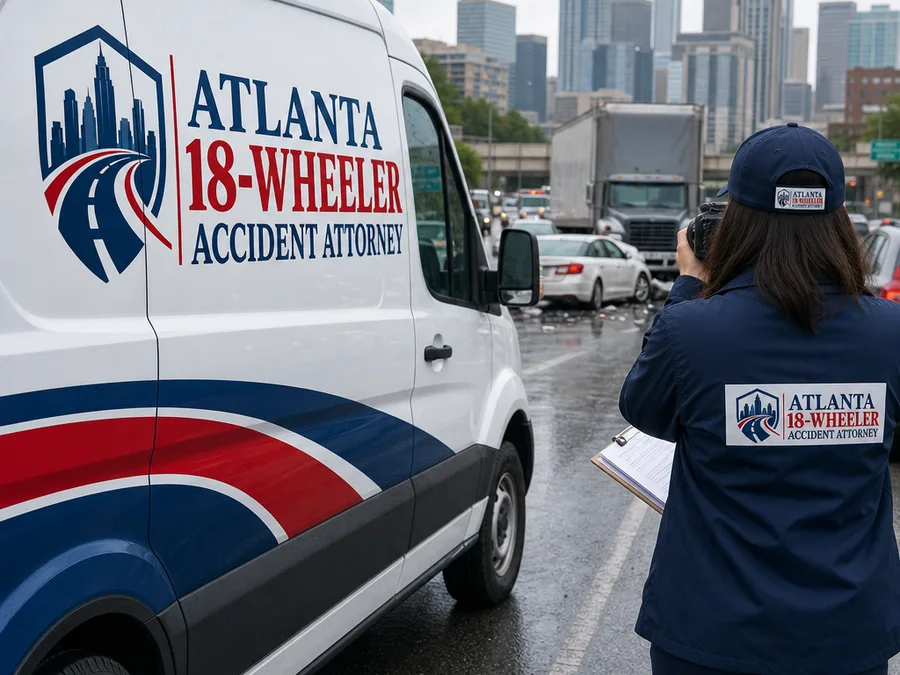
Atlanta's road network creates patterns we see repeatedly in truck cases.
No matter where the crash happened, your claim needs a strategy built around proof, not assumptions.
“They explained what made a truck case different and moved fast to get records we did not even know existed. The insurance adjuster stopped contacting me directly, and I finally felt like someone was protecting my side of the story.”
“I was overwhelmed by medical appointments and paperwork. Their team kept everything organized and told me what mattered and what did not. The claim took time, but the process felt controlled instead of chaotic.”
18-Wheeler Accident Attorney helps Atlanta crash victims understand their options, protect their claim, and pursue compensation that reflects the full impact of the injury. Share what happened and what treatment looks like so we can map the next steps.